

Digital resiliens: Derfor er robuste, lokale løsninger vigtigere end nogensinde
Af Morten Kvist Thomsen, Direktør for Customer Success, Microsoft Danmark og Nicolai Gravers Nielsen, Datacenter Operations Director, Microsoft Danmark I en tid […]

Jonas Olsen
Social Community Engagement Specialist
By Christoffer Mc Carthy Mors, Director of Customer Success, Microsoft Denmark, and Nicolai Gravers Nielsen, Datacenter Operations Director, Microsoft Denmark
In a time marked by geopolitical tensions, cyber threats, and increasing demands for compliance and sustainability, digital resilience has moved to the very top of the executive agenda. It is no longer just about technology, but about ensuring continuity, innovation, and credibility in a world defined by constant change. Digital resilience has become a critical factor—not only as a defensive strategy, but as a prerequisite for growth and future value creation.
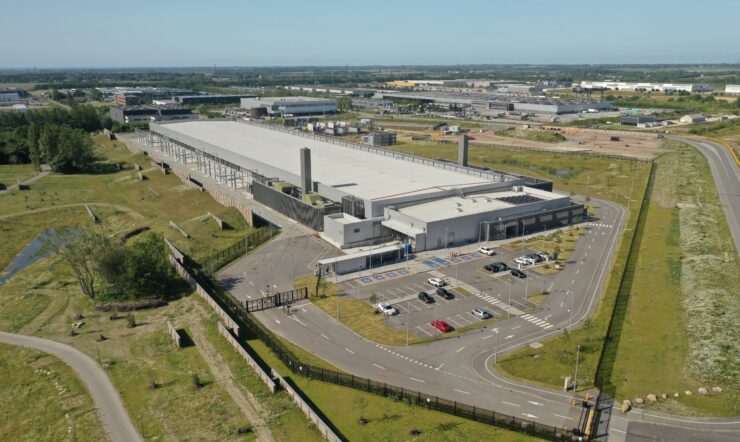
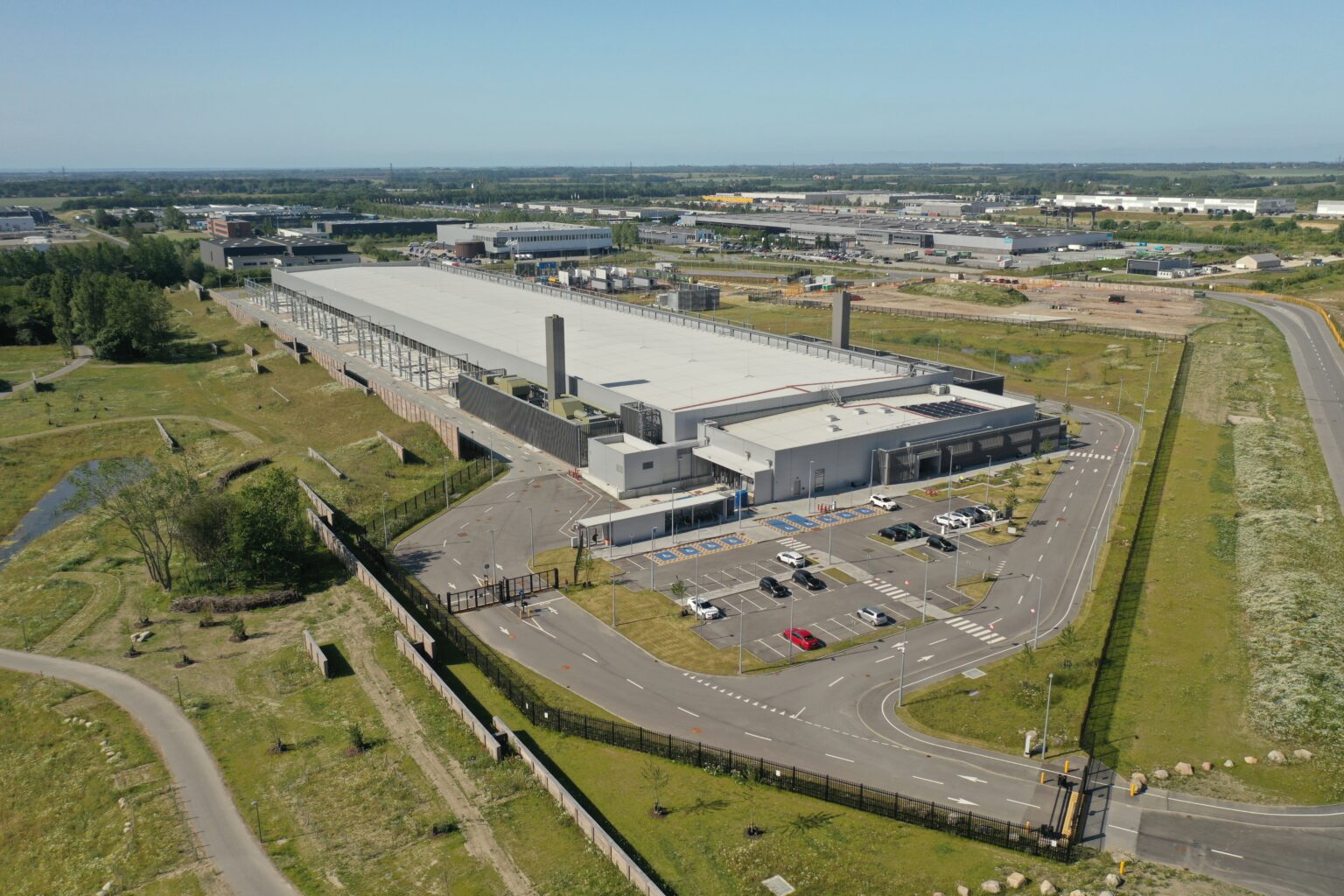
It is precisely for this reason that Microsoft has invested in establishing a new datacenter region in Denmark. In this context, IDC has analyzed the concrete impact that the establishment of the three datacenters will have on Danish business, society, and security. According to the analysis, this is not merely an investment in capacity, but in society’s overall digital resilience. When businesses and public authorities gain access to local cloud capacity, it is not only about efficient operations; it is about creating the technological foundation that enables them to withstand disruptions, adapt to new conditions, and accelerate their digital ambitions.
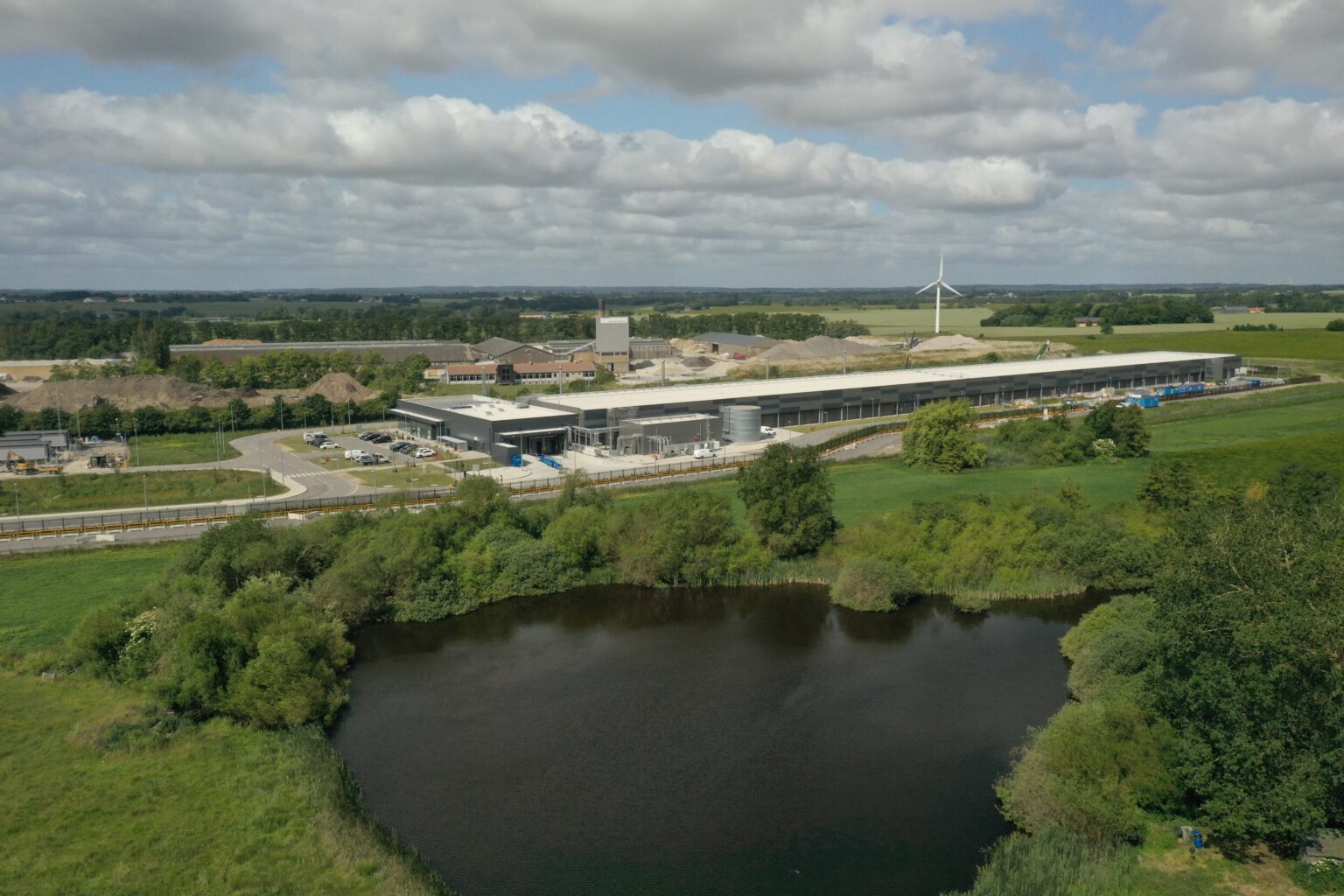
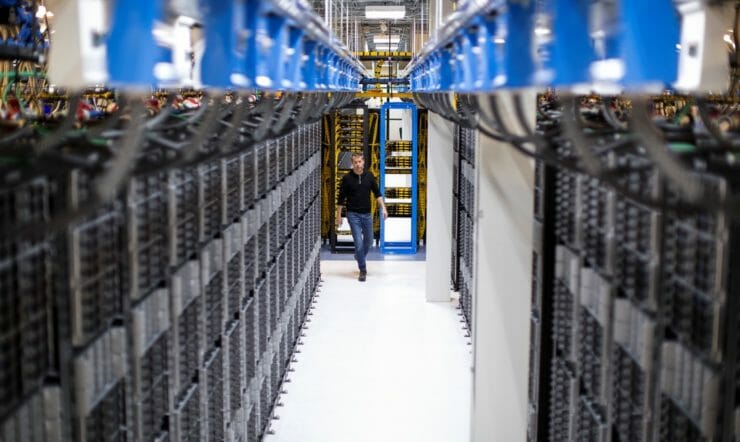
The Danish datacenters are designed with a strong focus on high availability and resilience. The architecture is built to ensure stable operations, even under pressure, and the Azure platform delivers 99.99 percent uptime, supported by redundant power, networking, and cooling solutions. The three independent datacenters in Roskilde, Køge, and Høje Taastrup are interconnected with extremely low latency, which not only improves performance but also enables a flexible and efficient hybrid setup. This means that organizations do not necessarily have to move everything to the cloud at once; instead, they can extend their existing solutions and modernize at their own pace.
The vast majority of businesses and public institutions operate complex IT landscapes that require more than a simple migration. This is precisely where the Danish datacenters make a tangible difference. The short distance between existing systems and cloud infrastructure does more than just reduce latency—it lowers risk and makes it easier to innovate faster. In other words, organizations can respond more quickly to new requirements and emerging needs.
At the same time, the datacenters have been designed from the outset to comply with both Danish and European regulatory requirements. With Microsoft’s EU Data Boundary, data remains within the EU, increasing compliance and making it easier to navigate a complex regulatory environment. For many decision-makers, this is not merely a legal detail—it creates genuine peace of mind. Our conversations with both public and private stakeholders confirm that it matters when data is physically located on Danish soil. Even though data hosted elsewhere in Europe may be just as secure from a technical perspective, local placement creates a sense of control and ownership that strengthens trust—particularly in the public sector, where digital sovereignty is an increasingly important topic.
Microsoft’s investment in Denmark also represents a significant contribution to the green transition. The new datacenters are among the most energy-efficient in the world, with power usage effectiveness at the very top and almost no water used in cooling processes. Excess heat can be reused in the district heating network in Høje Taastrup, where within a few years it will help heat up to 6,000 homes. In addition, up to 78 percent of the datacenter’s decommissioned components are reused through Microsoft’s Circular Centers.
For many organizations, digital resilience is about more than infrastructure alone. It is about the ability to make decisions quickly and securely. When the foundation is secure, organizations are more willing to invest in technologies such as artificial intelligence, automation, and advanced data analytics. The IDC report shows that the datacenter region in Denmark contributes directly to this, as companies can modernize their applications and IT infrastructure without compromising security, compliance, or operational stability.
Microsoft’s investment in datacenters in Roskilde, Køge, and Høje Taastrup is a very deliberate choice. It is about being close to customers—technically, legally, and humanly. When systems are interdependent and continuity is critical, low latency, high uptime, and local presence are not just nice-to-have. They are business critical.
Af Morten Kvist Thomsen, Direktør for Customer Success, Microsoft Danmark og Nicolai Gravers Nielsen, Datacenter Operations Director, Microsoft Danmark I en tid […]

Morten Thomsen
Commercial Partner Lead

Enhver teknologi skal have tid til at blive opdaget, før den kan implementeres. I dag er der fuld gang i […]

Lasse Svane Ryby
Divisionschef for Cloud+Enterprise
Med mere end 100 år på det danske marked har televirksomheden Nuuday taget et teknologisk kvantespring om anvendelse af data. […]

Maria Galvez
CMO Lead - Microsoft Denmark & Iceland