

Inkluderende teknologi åbner nye døre for mennesker med handicap
Med Inclusive Tech Lab får mennesker med handicap nu et sted, hvor de ikke blot kan teste teknologi, men også […]

Jonas Olsen
Social Community Engagement Specialist
With the Inclusive Tech Lab, people with disabilities now have a place where they can not only test technology, but also contribute to the development of solutions that provide real access to working life, education, and social communities.
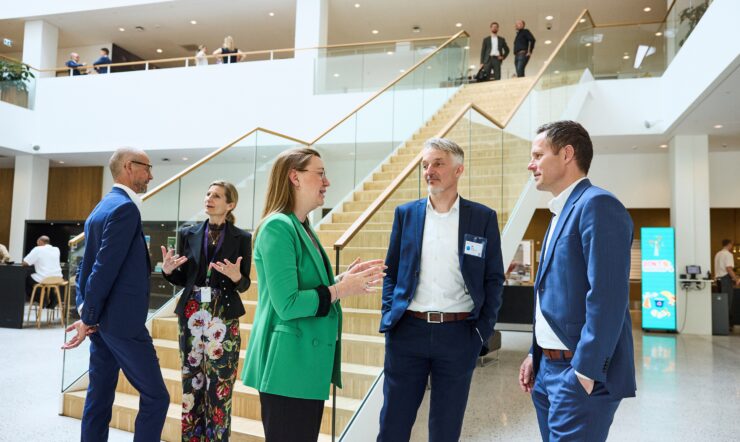
“Inclusive Tech Lab will become an important gathering point where we can show how technology can make a difference in everyday life for people with disabilities,” says Thorkild Olesen, Chair of the Danish Disability Organizations, on the occasion of the official opening of the Inclusive Tech Lab at the House of Disability Organizations in Høje‑Taastrup.
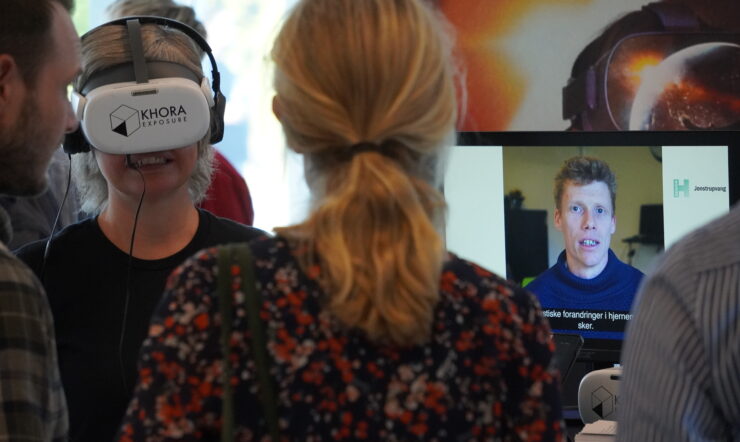
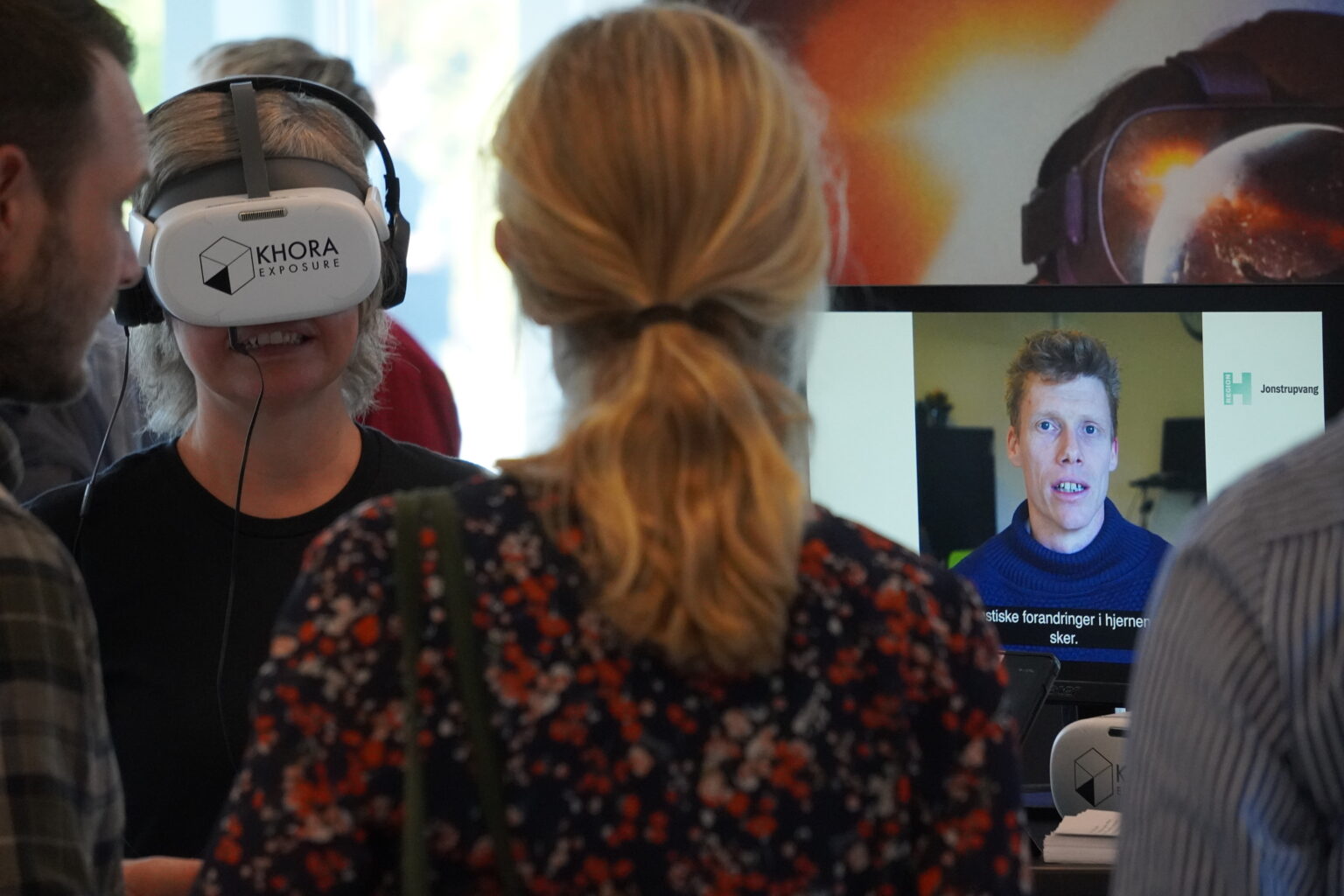
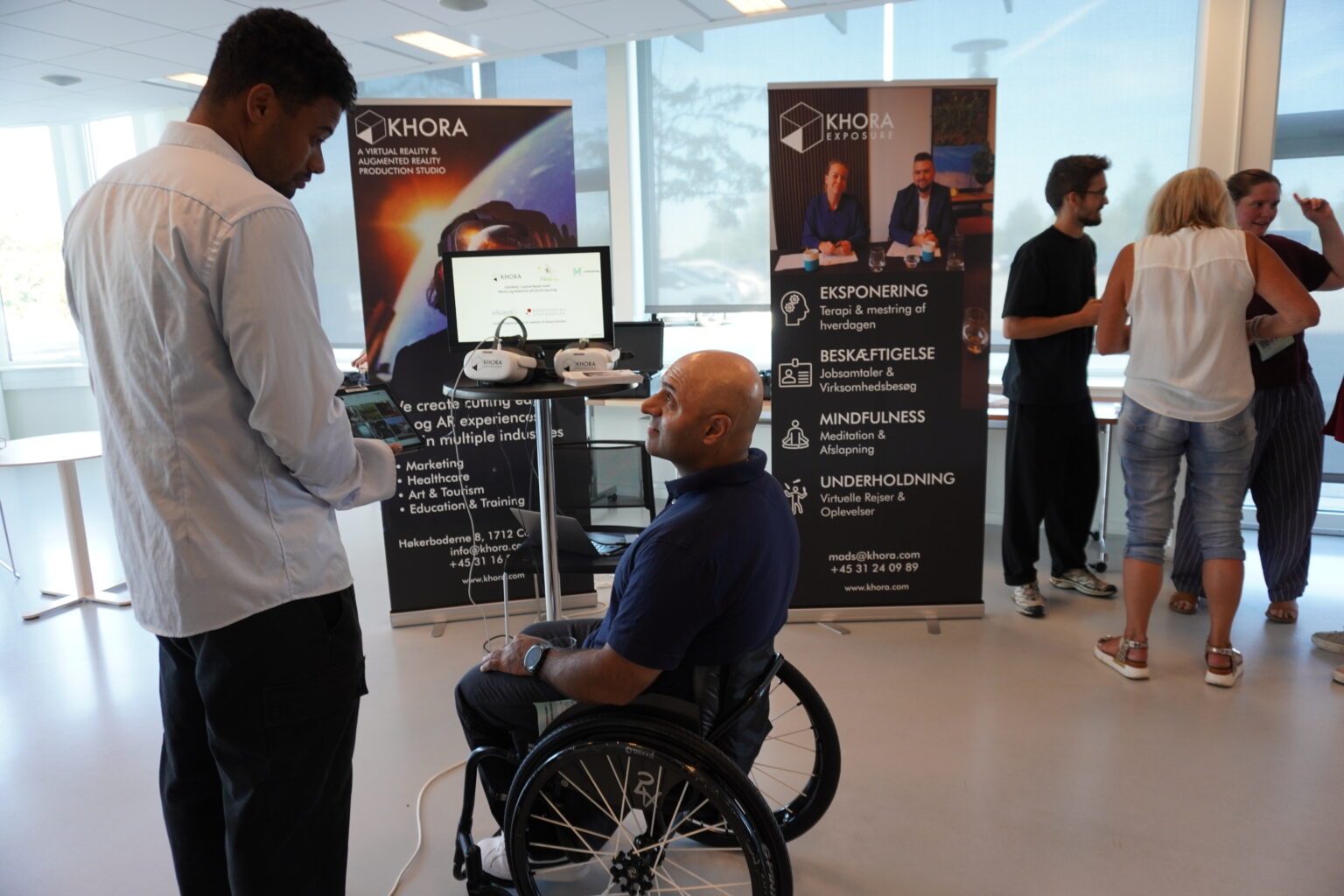
With support from Microsoft Denmark, and in close collaboration with the Knowledge Center on Disability and Høje‑Taastrup Municipality, the Inclusive Tech Lab has been created as an open and interactive space where people with disabilities can test new technology, receive guidance, and contribute to the further development of the solutions they themselves will use.
What makes the Inclusive Tech Lab unique is precisely that users are actively involved in the development process.
“We are the ones who know what we need. That is why the collaboration around Inclusive Tech Lab works so well—because it includes the user.”
– Thorkild Olesen, Chair of the Danish Disability Organizations
The Inclusive Tech Lab is packed with technologies—ranging from reading and writing tools, AI voices, and eye‑tracking solutions to advanced planning tools and text‑to‑speech software. In this context, Microsoft has made its technology platform available for testing and customization, and according to Lif Nørgaard, Azure Architect at Microsoft, the objective is clear:
“We want everyone to have access to technology in their everyday lives. With AI, there are even more opportunities to support inclusion, and with Inclusive Tech Lab we can help users—while also inspiring the tech industry to think more inclusively in the development process.”
– Lif Nørgaard, Azure Architect at Microsoft
One of the goals of the Inclusive Tech Lab is to build a bridge to the labor market. For many people with disabilities, the right technology can be the deciding factor between participation and exclusion. This also applies to Gry Kaalund Nicolaisen, Chair of the Danish Dyslexia Association, who has experienced a noticeable change in her daily life: “When technology is made available that benefits me in my everyday life, I feel that I am more on equal footing with everyone else around me. It truly means everything to me.”
Gry has particularly benefited from reading and writing tools, speech‑to‑text solutions, and structuring tools that help her organize her daily life. It is precisely the combination of different technologies—and the ability to tailor them individually—that makes the Inclusive Tech Lab unique: “It’s all about strategies. The strategy others use is not necessarily the same as mine, which is why it’s important to be able to experiment and find what works,” Gry explains.
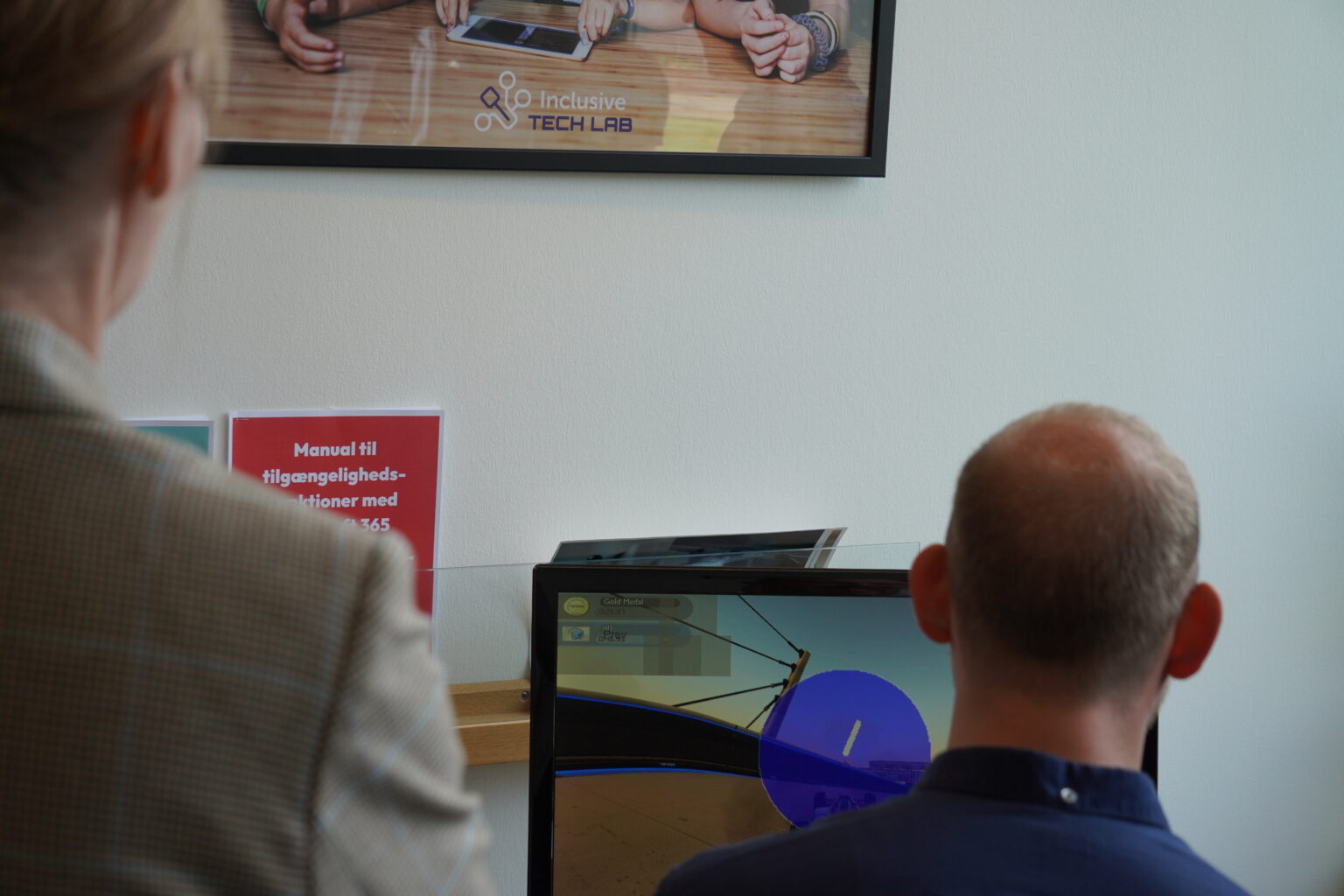
Thorkild Olesen also sees the Inclusive Tech Lab as an opportunity to remove barriers and concerns: “Overall, I believe that an initiative like Inclusive Tech Lab can help demystify what technology can do. Many people are a bit concerned about technological assistive devices, but here we have gathered everything in one place. This allows people to really test it thoroughly,” he explains.
The Inclusive Tech Lab is not only for users themselves—relatives and professionals can also benefit greatly from the space. Høje‑Taastrup Municipality views the lab as a competence‑building initiative, where professionals can gain deeper insight into how technology can best be implemented in everyday life and in collaboration with citizens.
In closing, Lif Nørgaard highlights the ambition for Inclusive Tech Lab to foster collaboration and cross‑sector solutions: “We hope it will create greater focus on the dilemmas experienced by this user group, promote cross‑disciplinary collaboration, and develop solutions that benefit the individual.”
Thorkild Olesen also looks ahead with optimism and high expectations for what the Inclusive Tech Lab can mean in the long term—both for individuals and for the labor market: “I have a clear expectation that the skills people can acquire here can help people with disabilities enter the labor market. This can be an eye‑opener—not only for us, but also for employers,” he says.
The Inclusive Tech Lab is now open—not merely as a technological showcase, but as a collaborative space where technology, people, and lived experience come together to create the solutions of the future.
Med Inclusive Tech Lab får mennesker med handicap nu et sted, hvor de ikke blot kan teste teknologi, men også […]
Hamad Sheraz Rovsing
Community Affairs Manager
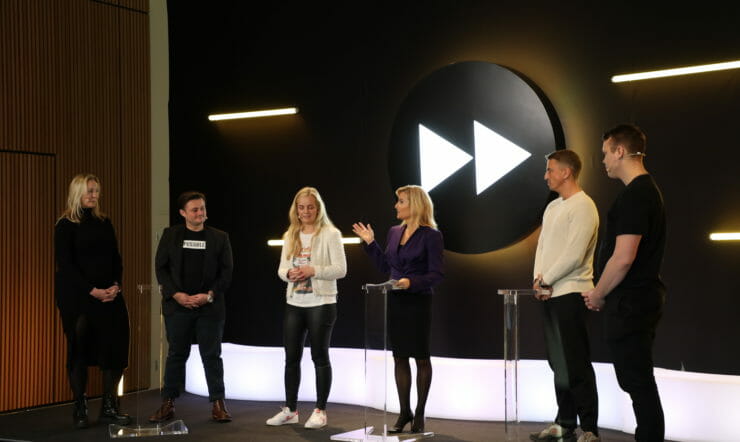
On Friday, the 21st of January, Microsoft Denmark hosted Microsoft Envision: Fast Forward on Innovation. A day filled with inspiration […]

Isabella Oliver
Social Lead

Lær med vores gratis quickstart-guides, vejledninger og eksempler.

Daniel Aunvig
Head of Data & AI